As we age, our bodies change. These changes can affect how we feel and move. Falling can lead to serious injuries, long-term pain, and make everyday life harder. Even if you do not get injured, a fall may make you less confident and prevent you from doing things you enjoy.

Falls in Canada
- About 1 in 3 people aged 65 and over fall each year.
- People over 85 are more likely to get injured, go to the hospital, or even die from a fall.
The good news is you can take steps to prevent falls. If you feel unsteady, have fallen before, or worry about falling, there are many things you can do to stay safe and feel more confident.
Are You at Risk of Falling?
Falls are one of the main reasons older adults lose their independence. Could you be at risk? Some things that increase your risk include:
- Feeling weak or having poor balance

- Taking three or more medications a day
- Having vision or hearing problems
- Wearing unsafe footwear or having foot pain

If any of these apply to you, talk to your health care provider. They can help you lower your risk and stay independent.
Take the Staying Independent Checklist. If you scored 4 points or higher, you may be at risk of falling.
Be Active
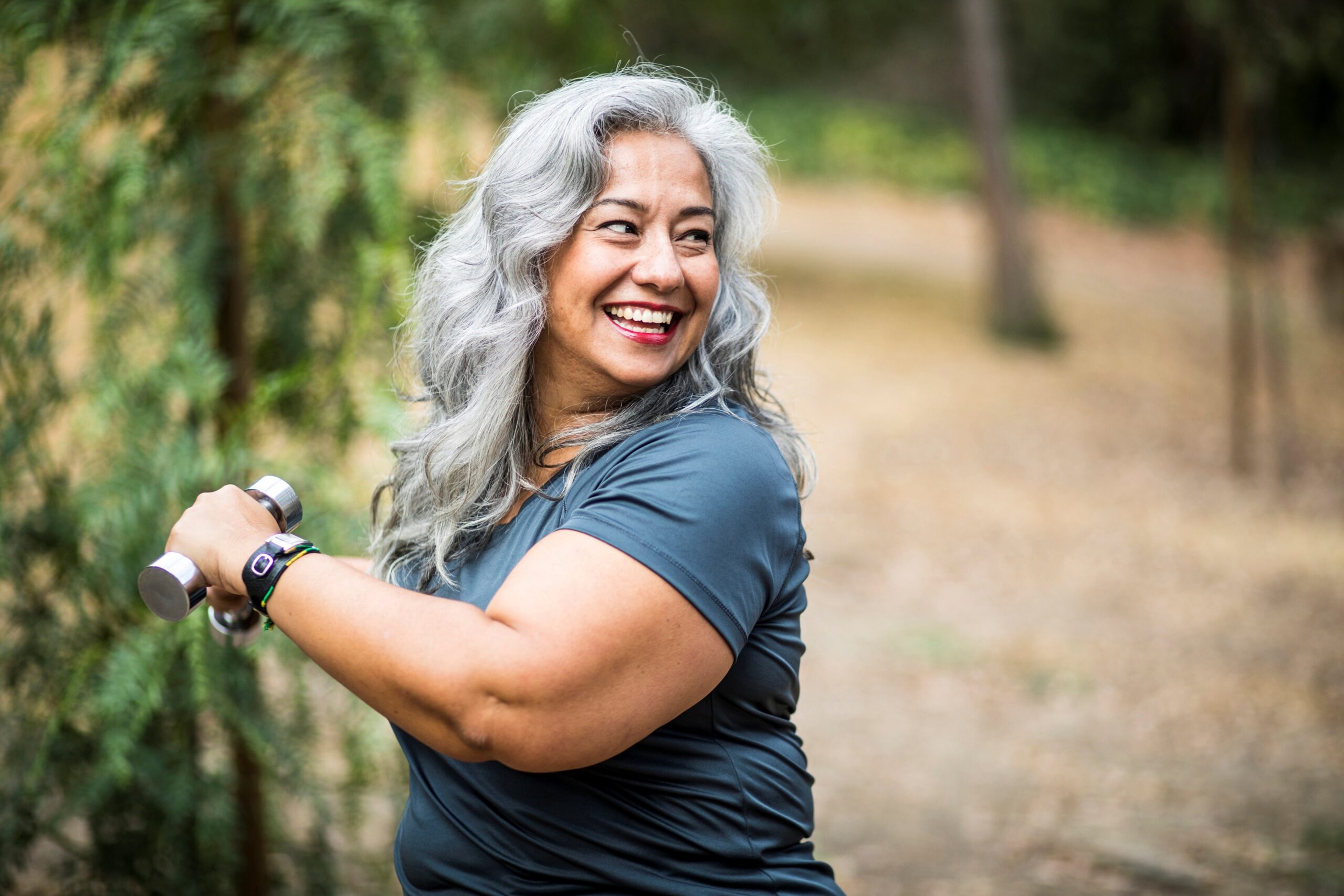
All movement is good for your health. Choose activities you enjoy, like walking, swimming, or cycling. These help your heart and lungs, and can be fun with others.
- Where possible and safe, older adults should aim to participate in 2.5 hours-5 hours per week of intermediate-intensity physical activity or 1.15 hours-2.5 hours per week of vigorous-intensity physical activity (World Guidelines for Falls Prevention and Management for Older Adults, 2022).
- Start slow and increase your time and effort as you feel stronger.
- Regular physical activity can also improve mood, sleep, energy, and memory.
- It is recommended that older adults engage in at least 40% of time doing physical activities that challenge balance.
Improve your strength and balance
As we get older, our muscles can get weaker. This is called sarcopenia. Doing strength activities often can help keep your muscles strong, improve balance, and lower the chance of getting injured. These activities also make everyday things easier, like getting up from a chair, going up stairs, and carrying groceries.
- The Canadian 24-Hour Movement Guidelines recommends that all adults do strength activities for all major muscle groups at least twice a week.
- The 24-Hour Movement Guidelines also recommend adults 65 and older do activities that challenge balance. Doing short activities daily that challenge balance is recommended for adults who are at high risk for falls.
- The 2022 World Guidelines for Falls Prevention and Management for Older Adults recommend working on balance for functional tasks needed to support similar movements in daily life.
- Such activities include sit-to-stand, squats, reaching which standing, standing with a narrower base of support, stepping and walking in different directions, speeds, environments and while dual tasking. Weights can be added to some activities to increase difficulty.
- Activities like yoga, tai chi, and dance are great for balance.
- For building strength, try activities like chair squats, wall push-ups, seated leg lifts, bicep curls, and calf raises.
- Strong hands and wrists help your grip strength so you can open jars, stand up from a chair, and hold things safely.
A physiotherapist or athletic therapist can help you create a safe routine.
- If you are not already exercising regularly or are looking to start a new activity, ask your health care provider, physiotherapist, or athletic therapist about how to start safely.
Community-dwelling adults:
- Older adults at low risk for falls who should be offered education about falls prevention and exercise for general health and/or fall prevention if interested.
- Older adults at intermediate risk for falls, should be offered targeted exercise or a physiotherapist referral in order to improve balance and muscle strength, and reduce their fall risk.
- Older adults at high risk for falls who should be offered a multifactorial falls risk assessment to inform individualized tailored interventions.
Take a look at strength and balance activities you can do at home.

Take Care of Your Feet
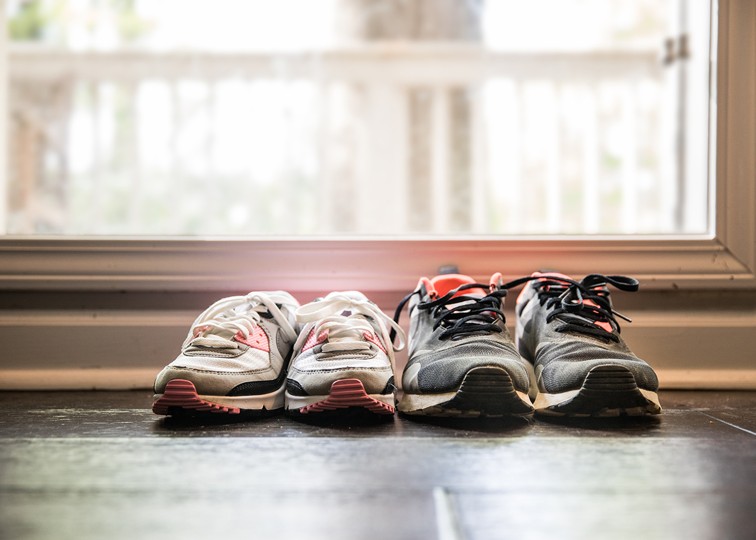
Foot problems like corns or ingrown toenails can affect your balance and make walking painful.
- Wear shoes that fit well and support your feet.
- Talk to your health care provider about foot care. They may refer you to a specialist.
Take a look at the helpful guide on safe footwear.
Use Medicines Safely
- Take your medicines exactly as prescribed by your doctor or pharmacist.
- Don’t skip doses, take extra doses, or stop suddenly.
- Never use medicines that are expired.
Keep a Medicine List
- Write down all the medicines you take, including ones from the pharmacy, or health food store.
- Bring this list to your doctor or pharmacist every 6–12 months to check if you still need them.
Check with your Doctor, Nurse, or Pharmacist if You
- Fell, tripped, or almost fell, or feel dizzy or weak.
- Had a big health change (like being sick or in the hospital).
- Take three or more medications, started a new one, or changed a dose.
- Take medications that affect balance (like for sleep, allergies, anxiety, depression, pain, or blood pressure).
Tell Your Doctor, Nurse, or Pharmacist Right Away if You
- Feel dizzy, confused, very tired, or have blurry vision.
- Suddenly have trouble walking or slower reactions.
- Had a fall or almost fell.
Learn more by reviewing the helpful guide: The 5 Questions to Ask About Your Medications.
Eat Well

Eating healthy helps keep your bones and muscles strong and gives you energy.
- Protein helps build muscles. Good sources include meat, eggs, dairy, nuts, and soy.
- Vitamin D helps your bones. Take a daily supplement of 1,000 IU and do not go over 4,000 IU/day.
Take Care of Your Teeth
Healthy teeth and gums help you chew food and enjoy meals. Brush and floss daily and visit your dentist regularly. If you wear dentures, make sure they fit well.
Check Your Vision and Hearing 

Changes in vision and hearing can make it harder to stay safe.
- Get your eyes checked every 2 years.
- Use sunglasses to protect your eyes.
- Hearing screening may be conducted at 5-yearly intervals until the age of 64 years.
- From 65 years of age, the frequency of hearing screening should be increased to every 1–3 years.
- Wherever possible, hearing screening schedules should align with other health checks.
- Use hearing aids if needed.
The Seniors’ Eyeglass Program provides financial assistance toward the purchase of eyeglasses for eligible Manitobans 65 and older. One pair of eyeglasses may be claimed every three years, more often if a doctor diagnoses a change in vision.
Manitobans aged 65+ may get up to $2,000 to help pay for hearing aids. Find out more here: Hearing Aid Program.
Make Your Home Safer
Here are things to consider:
- Use night lights between your bedroom and bathroom.
- Keep walkways clear and well-lit.
- Secure rugs and mats.
- Install grab bars in bathrooms and near stairs.
- Mark outdoor steps with bright paint.
- Fix uneven paths and floors.
- Ask an occupational therapist about ways to make your home safer.
The Home Safety Checklist helps identify common hazards in your home and offers tips on making your home safer.
You may be eligible for up to $6,500 to help pay for home safety changes like grab bars. Check out The Manitoba Safe and Healthy Home for Seniors Program website: Or call 1-866-906-6006 to learn more.
Stay Connected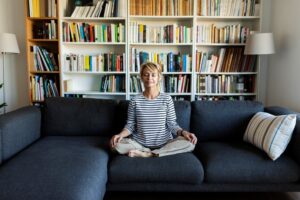
Being social helps your body and mind. Talking with others, joining activities, and volunteering can improve your balance, confidence, and brain health.
Manitoba Support Services to Seniors provides community-based services and programs that promote health and well-being and help older adults live independently. Call 211 to learn about programs like meal delivery, transportation, and home help.
Or visit your Regional Health Authority’s webpage.
- Prairie Mountain Health
- Southern Health-Santé Sud
- Northern Health Region
- Interlake-Eastern Regional Health Authority
- Winnipeg Regional Health Authority
If You Fall
- See your doctor or health care provider to check for injuries.
- Talk about what caused the fall.
- Learn how to get up safely.
- Watch this short video to Learn How to Get Up After a Fall.
- Check out this easy-to-read guide: What To Do After a Fall.
What happens after an older adult falls?
Start at the top left corner of this infographic to learn more!
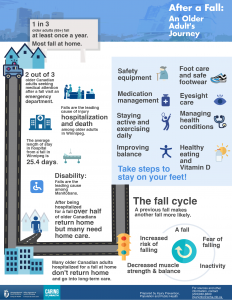
Click on the image to make bigger.
This information is printer-friendly.
Click on the image below.
