
A concussion is an injury to the brain. It affects the way a person may think and remember things and can cause a variety of symptoms.
During this Concussion Awareness Week, let’s learn the facts, explore the resources available, and work toward safer experiences in sport, recreation, and physical activity for all.
Did you know that thousands of Canadians are diagnosed with a concussion every year, making it the most common form of traumatic brain injury? Many concussions also go undetected or undiagnosed, leaving Canadians vulnerable to longer-term effects. These injuries can result from impacts to the head, neck, face or body, leading to both short- and long-term effects on brain health.
We all have a responsibility to do everything we can to protect from injuries including concussions, and make sure that sport, recreation, and physical activity are as safe and welcoming as possible.
What is a concussion?
A concussion is a brain injury that cannot be seen on routine x-rays, CT scans or MRIs. Any blow to the head, face, neck, or a blow to the body that jars the head, could cause a concussion.
Guidelines, funding, research, and resources:
- The Government of Canada has made safety in sport a top priority. They partnered with Parachute Canada to update the Canadian Guideline on Concussion in Sport and create tools for awareness, prevention and detection. These resources will help reduce the time lost in school, work, and play for those affected.
- Additionally, all federally funded national sport organizations are required to have a concussion policy as a condition of their funding. The Government of Canada will continue to work with partners, including the provinces and territories, to increase efforts on concussion prevention and management even further.
- The Government of Canada also invests in cutting-edge concussion research through the Canadian Institutes of Health Research (CIHR). In just the past two years alone, CIHR has funded 30 studies on concussions and post-concussion syndrome. This research is improving how we diagnose and treat concussions, especially in young athletes. It’s helping shape national and international protocols.

Falls are the No. 1 cause of concussions for older adults in Canada. Other common causes include car crashes, being hit in the head with an object, hitting your head on something, and violence.
Resources
- Concussion: Symptoms and treatment
- Concussions: Sport and recreation
- Canadian Guideline on Concussion in Sport
- Concussion in Sport Resources (SIRC)
- Concussion Guide for Adults 65+: This PDF contains the full concussion guide.
- Sport Manitoba Concussion 101 Workshop. Email: sport.med@sportmanitoba.ca
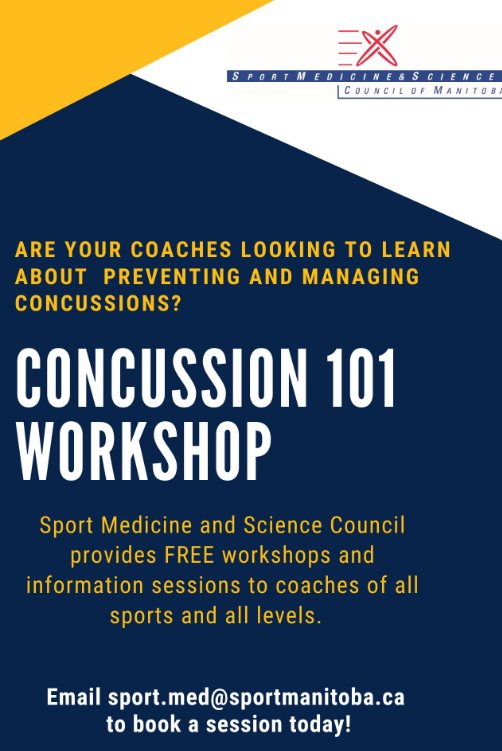
Click on image to increase size.