
Parents, caregivers and family members:
Did you know that…
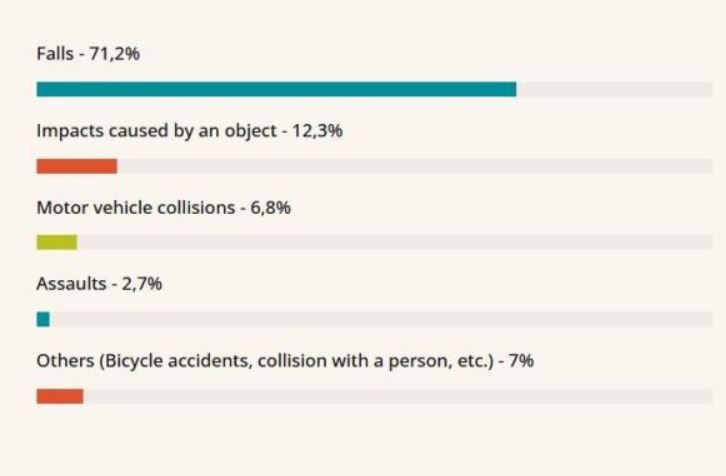
Falls from a bed, stairs, and sofa are among the most common causes of concussions in young children?
In young children, only 2 out of 10 concussions occur during physical or sports activities.
A little one hit their head…


Is it a concussion?
This is a question many people ask after a significant blow to a child’s head.
But first, what is a concussion?
It is a brain injury that can occur following a blow to the head, neck, or body, caused by a fall, collision, or car accident, for example.
What to do immediately after a head injury?
Young children are not necessarily able to express their symptoms and discomfort after a head injury.
If you interact with young children, you may encounter this type of situation.
One question that might come to mind is: What do I do?
Don’t panic!
Concussion Communication © 2025, ABCs Developmental neuropsychology Lab at the University of Montreal, developed some practical tips for you to keep in mind, as soon as a hit to the head occurs in a young child:
1.Keep a cool head. Not all head injuries are necessarily concussions. Bumps and bruises don’t always mean the brain has been injured. And when a concussion occurs, most children recover within a few days or weeks.
2.Put everything on pause. Remove the child from the activity, unless they are unconscious. In that case, they should not be moved, except to clear the airways.
3.Keep an eye open. Avoid leaving the child alone for the next three hours.
4.Observe, observe, observe. Observe red flags and symptoms and refer to the Early Childhood Detection Tool to guide your next steps.
5.Trust your judgment. Trust your judgment to observe behaviors that seem unusual or amplified, especially if you know the child well.
And if the concussion diagnosis is confirmed by a healthcare professional?

Concussion symptoms usually last one to two weeks and can continue with less intensity for 2 to 4 weeks. However, in some children, they can last a month or more after the impact.
In young children, it is possible that parents continue to notice some behavior changes for several weeks or months.
Here are some of the way common symptoms may show up in young children:
- Excessive irritability
- Fatigue
- Disrupted sleep
- Seeking comfort
- Concentration difficulties
- Regression (“taking a step back” in development)